The GENIUS Initiative • Sonoma County, California
The Pedagogy of Confidence and Mindfulness Practices
Overview of GENIUS Initiative with Sonoma County
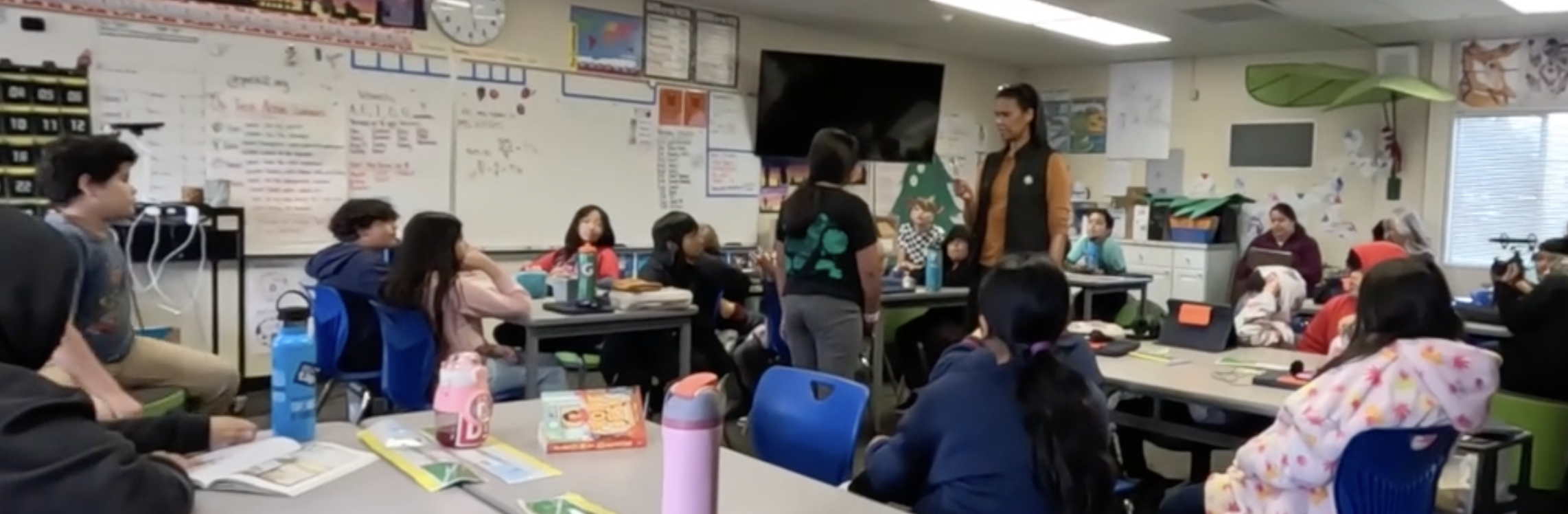
The GENIUS (Genuine Empathy & Nurturing Intellect of Underserved Students) Initiative, from the California Department of Education, offers school leadership teams the opportunity to provide all students with a promise of educational settings that foster their growth and development, enabling them to thrive and flourish. McDowell School is a partner in this state initiative with the goal of creating a Genius Hub Site where teachers can learn from each other with the guidance of Dr. Yvette Jackson.
Goal: Teachers will observe students engaged in instructional practices that elicit high intellectual performances through the implementation of the Pedagogy of Confidence® and the 7 High Operational Practices® (Dr. Yvette Jackson).
Content
- Overview of The GENIUS Initiative
- People
- School Partnership Activities
- Research and Guiding Principles
- Critical Thinking Methods and Models

About The GENIUS Initiative
 Rooted in love, justice, and possibility— the GENIUS Initiative guides us to create learning spaces where students feel seen, valued, and empowered to thrive. It also represents a bold and necessary move towards educational equity. Our support is centered on serving schools with high populations of historically marginalized and underserved students such as juvenile justice populations, high needs schools and schools seeking to create equitable systems, schools and leaders from the inside out.
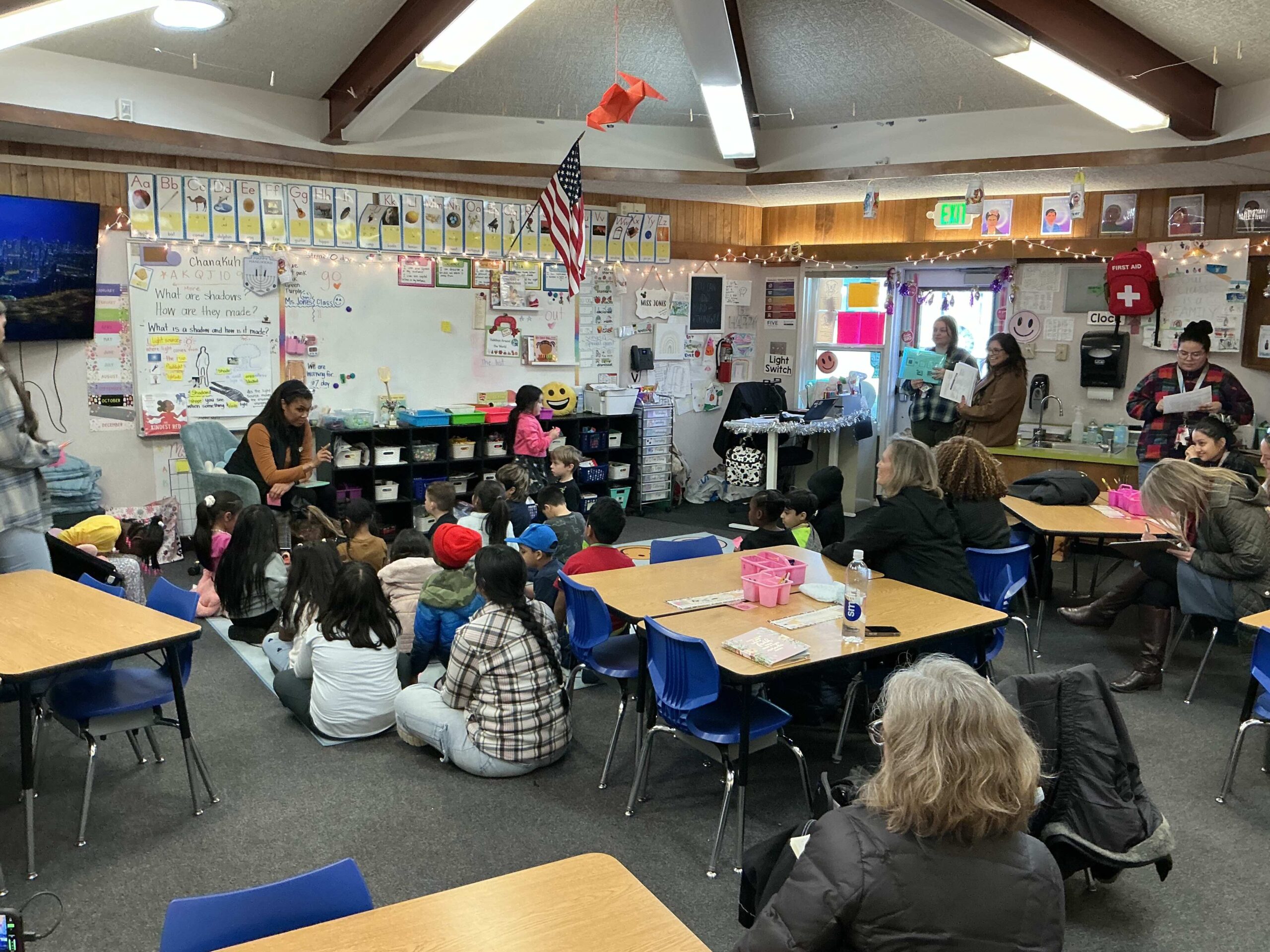
The GENIUS (Genuine, Empathy & Nurturing Intellect for Underserved Students) Initiative, also known as the Equity Lead Grant, was established in 2023 under Senate Bill 114 as a part of the California Statewide System of Support. At its heart, GENIUS is about giving every child a chance to thrive —no matter their zip code. The Equity Multiplier funding has allocated approximately $300 million across 57 of California’s 58 counties to 1,008 schools to support qualifying schools in closing opportunity gaps for our most marginalized students. This funding aims to ensure that every student receives the necessary support and resources for success. As part of California’s education funding, the Local Control Funding Formula (LCFF) Equity Multiplier provides additional resources to school sites with high non-stability rates and a significant percentage of socioeconomically disadvantaged pupils, directing funds to schools with the greatest needs.
A couple of critical components of the GENIUS Initiative are the collaboration between Kings, Los Angeles and Sonoma County Offices of Education and their research partnership with UCLA’s Center for the Transformation of Schools. This collaboration will provide continuous evaluation and impact measurement, ensuring that the initiative’s goals are met and that best practices are refined over time. By listening to the data and centering equity, we’re investing where it counts most—our kids.
Together, we’re not just changing outcomes—we’re changing lives.
—GENIUS Initiative Website
People
The collaboration with The Genius Initiative in Sonoma County.
The People with Pedagogy of Confidence and Mindfulness Practices Team.
 Linda Montes
Initiative Coordinator
Sonoma State University Bio
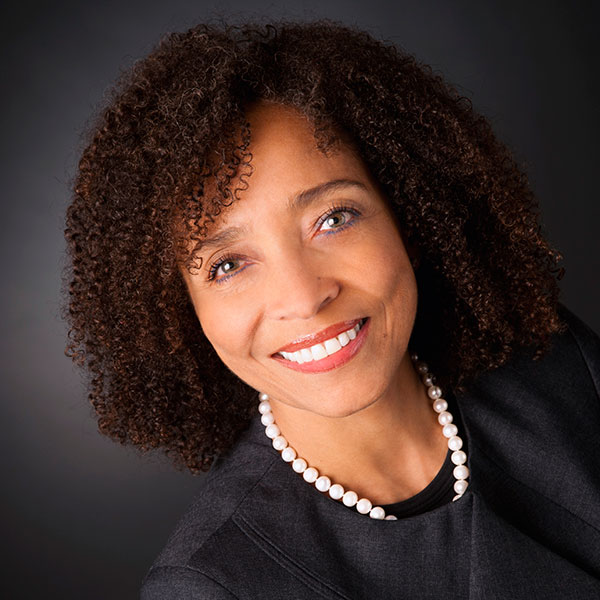 Yvette Jackson
Pedagogy of Confidence
Columbia University Bio
 Michele Rivers Murphy
Mindfulness Practices
Center for Educational Improvement Bio
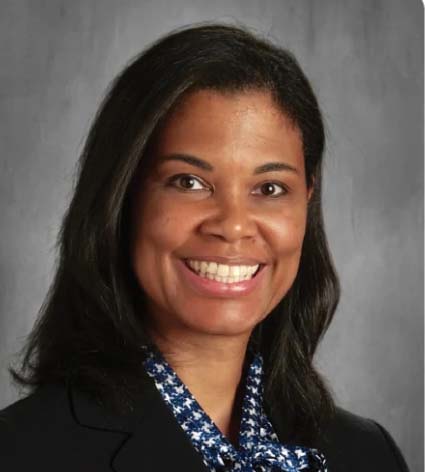 Regina Seabrook
Professional Website
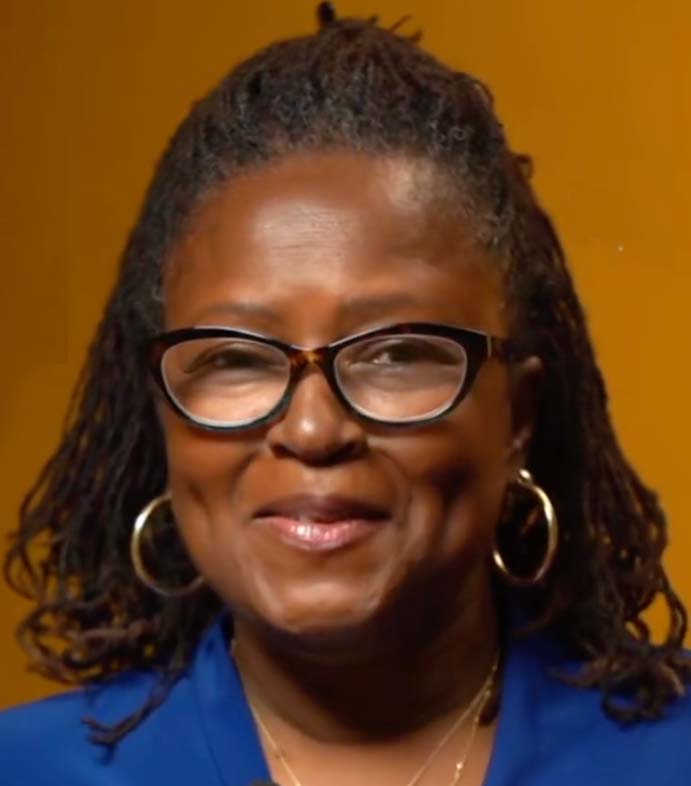 Stefanie Baker
Hope Academy Los Angeles
 Robert Seth Price
Professional Website
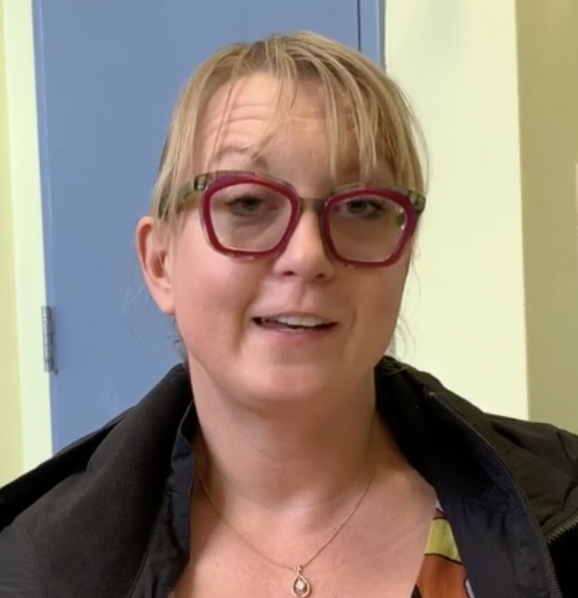 Whitney Eakin
NUA – Pedagogy of Confidence Reflective Journal
Pedagogy of Confidence and Mindfulness Practices
School Partnership Activities
March 2026 Site Visit with McDowell School in Sonoma County, California
Summary of March Coaching Session
McDowell School, the GENIUS Hub Site for Sonoma County, participated in a full day of coaching focused on a systemic change model to mitigate the observed disparities for students of color through the Pedagogy of Confidence® (POC).
The teachers observed two lessons integrating the 7 High Operational Practices® (HOPs) to mediate for student learning through intentional teacher Measurable Observable Value- Enhancing Shifts (M.O.V.E.S.) focused on student learning.
Each lesson cycle began with participants gathered to hear about the thinking and intentional M.O.V.E.S. to plan for student learning framed with mediation. The group then observed a lesson taught by a POC Coach demonstrating the 7 HOPs. Following the lesson demonstration, the participants returned to complete a reflection of the lesson. The group shared the evidence of student engagement and the intentional MOVES the Coach demonstrated to elicit the GENIUS in students. Each participant left with a commitment to implementing one MOVE in their own teaching reflecting the Pedagogy of Confidence®.
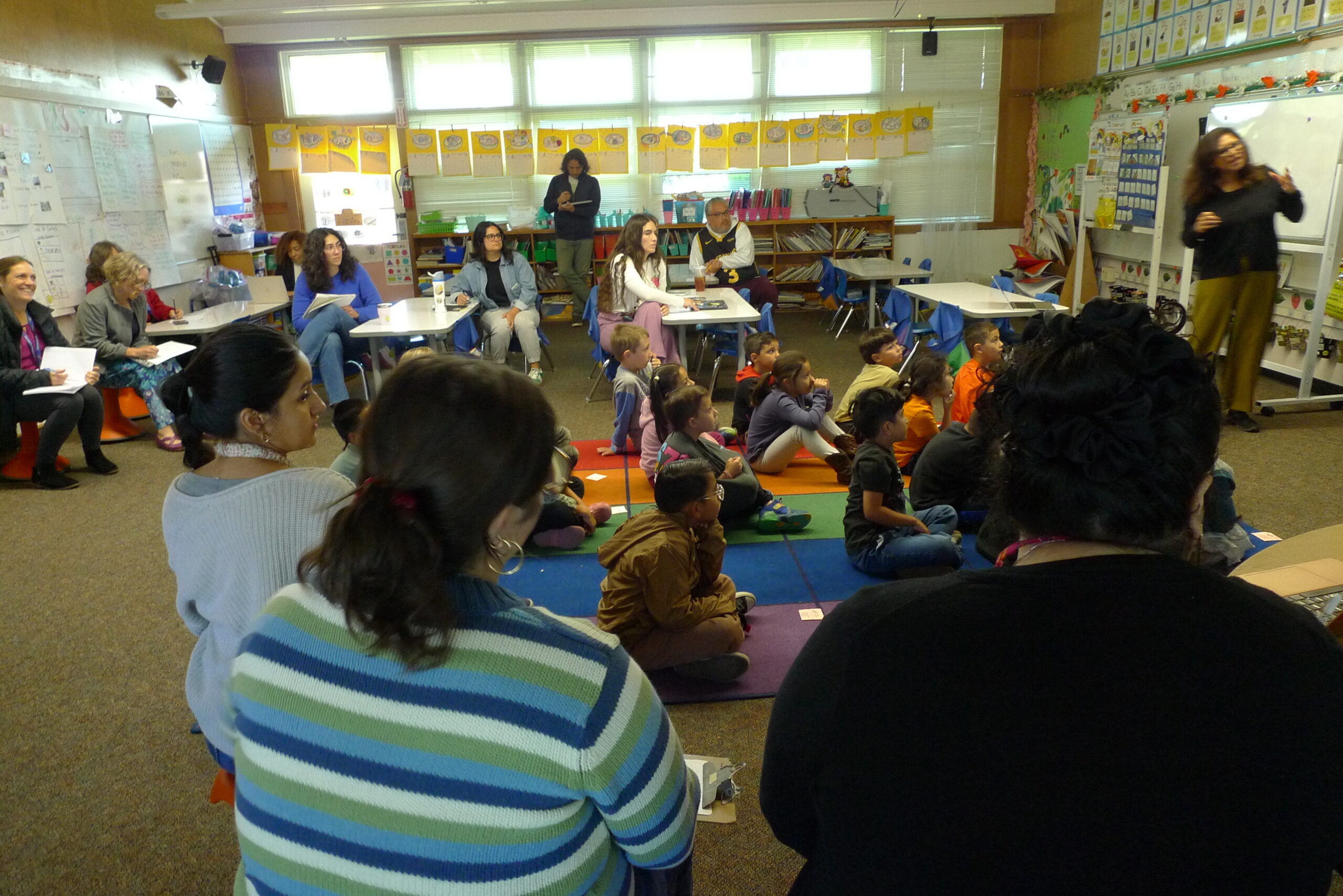 Educators observing demonstration lesson
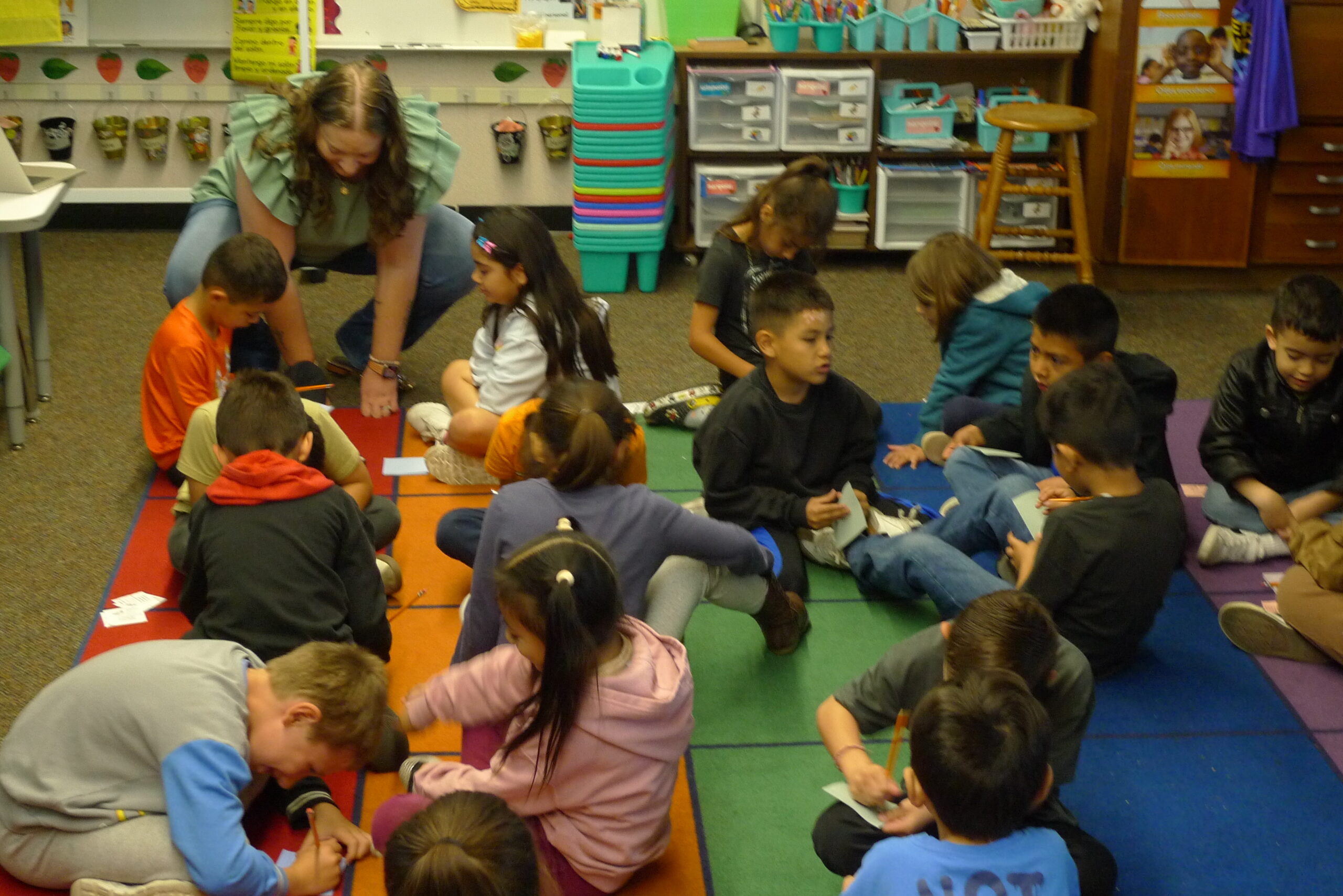
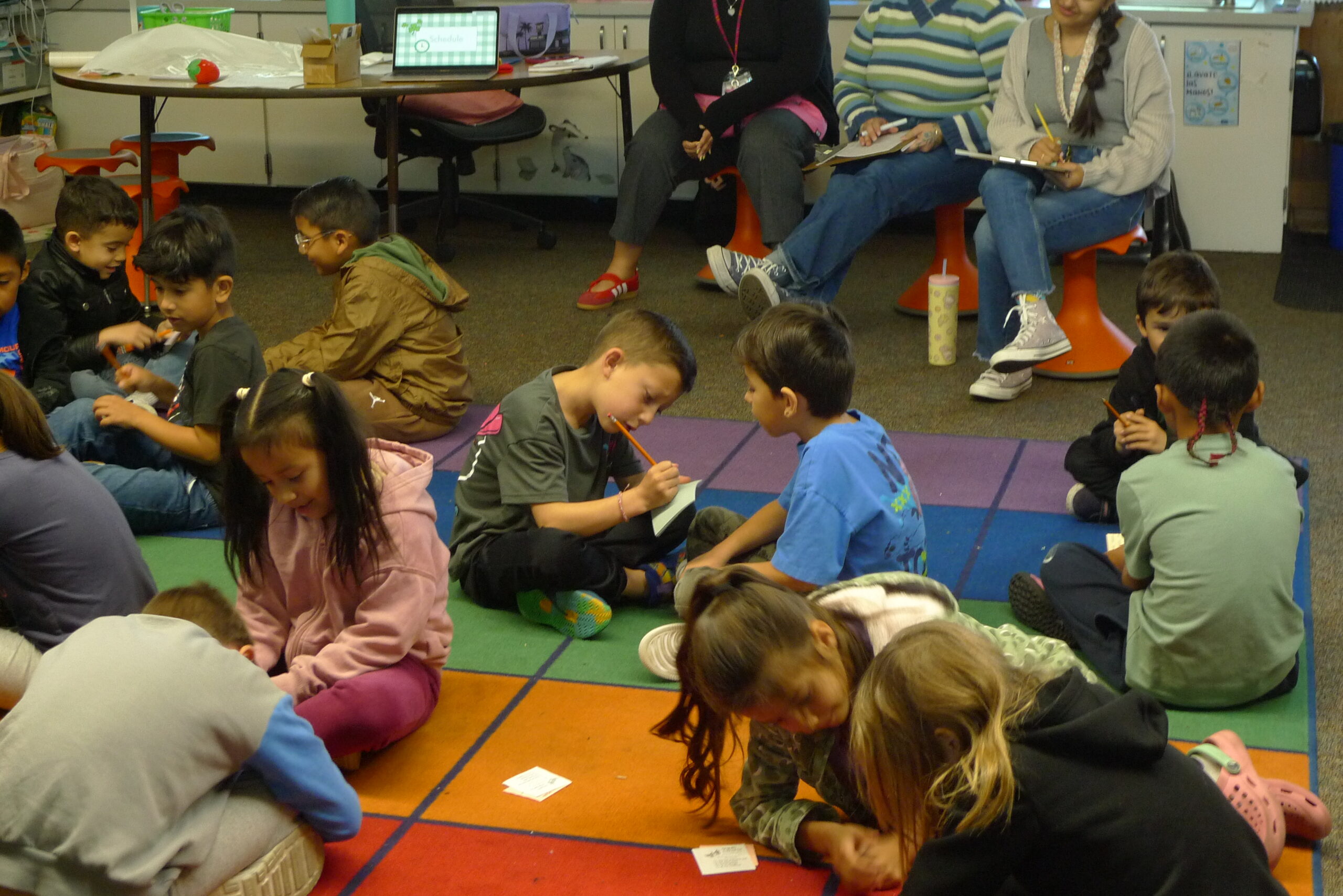
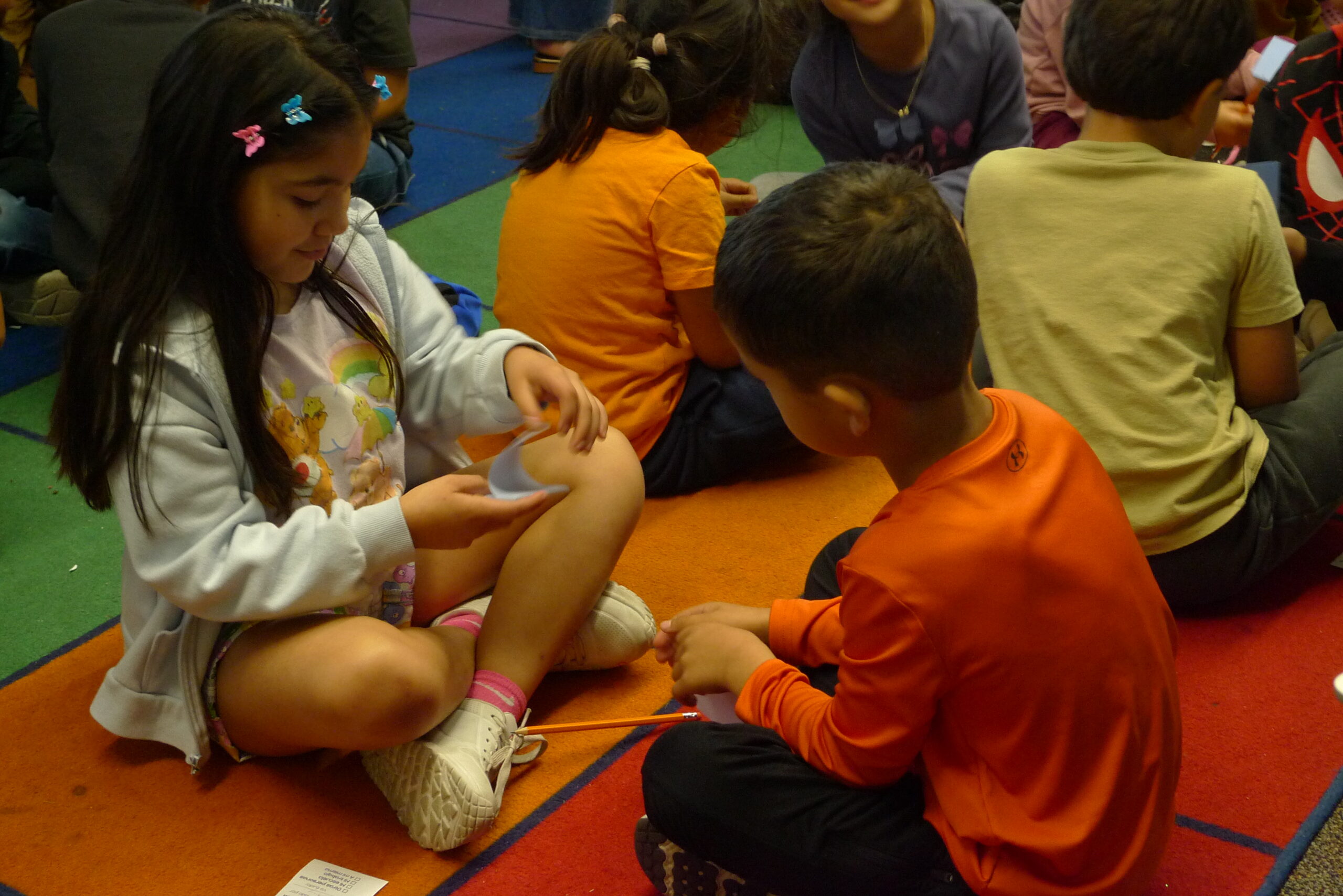 Students collaborating
Educator co-teaching
High Operational Practices
The multiple demonstration lessons followed the sequence of Briefing -> Lesson -> Debriefing for two different grade levels (first and fifth) were mediated by Dr. Linda Montes and Robert Seth Price. The briefings included an overview of the Three Phases of Learning (Priming -> Processing -> Demonstrating for Understanding).
The McDowell leadership team, other school representatives, student teachers from Sonoma State University and the whole staff (after school) met with Dr. Yvette Jackson, Dr. Linda Montes and Robert Seth Price during the site visit for professional development.
The GENIUS support includes Dr. Linda Montes (coordinator), Dr. Yvette Jackson, Dr. Michele Rivers Murphy, Dr. Stefanie Baker, Dr. Regina Seabrook and Robert Seth Price.
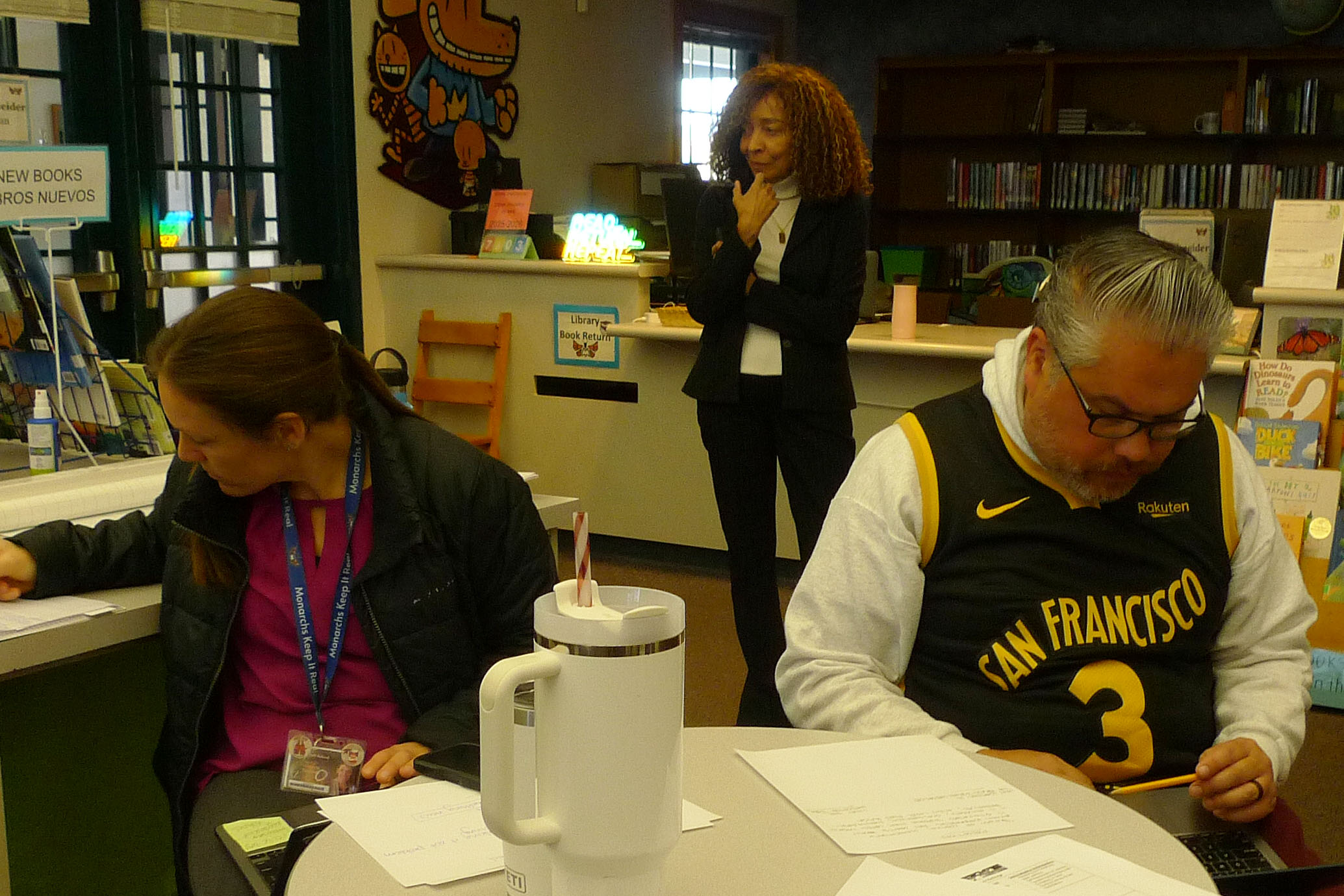 Educators Professional Development
 Andragogy
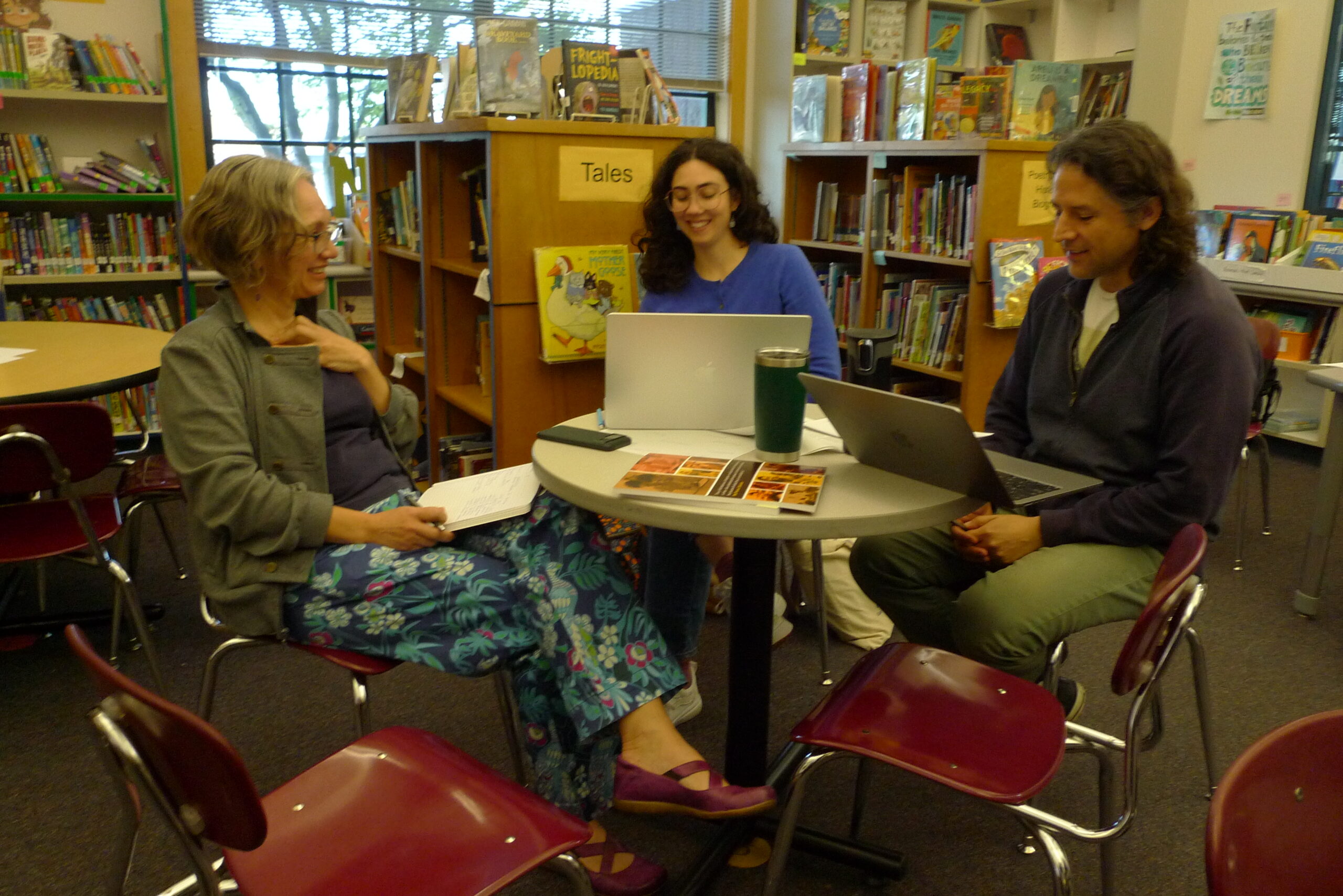 Pedagogy of Confidence
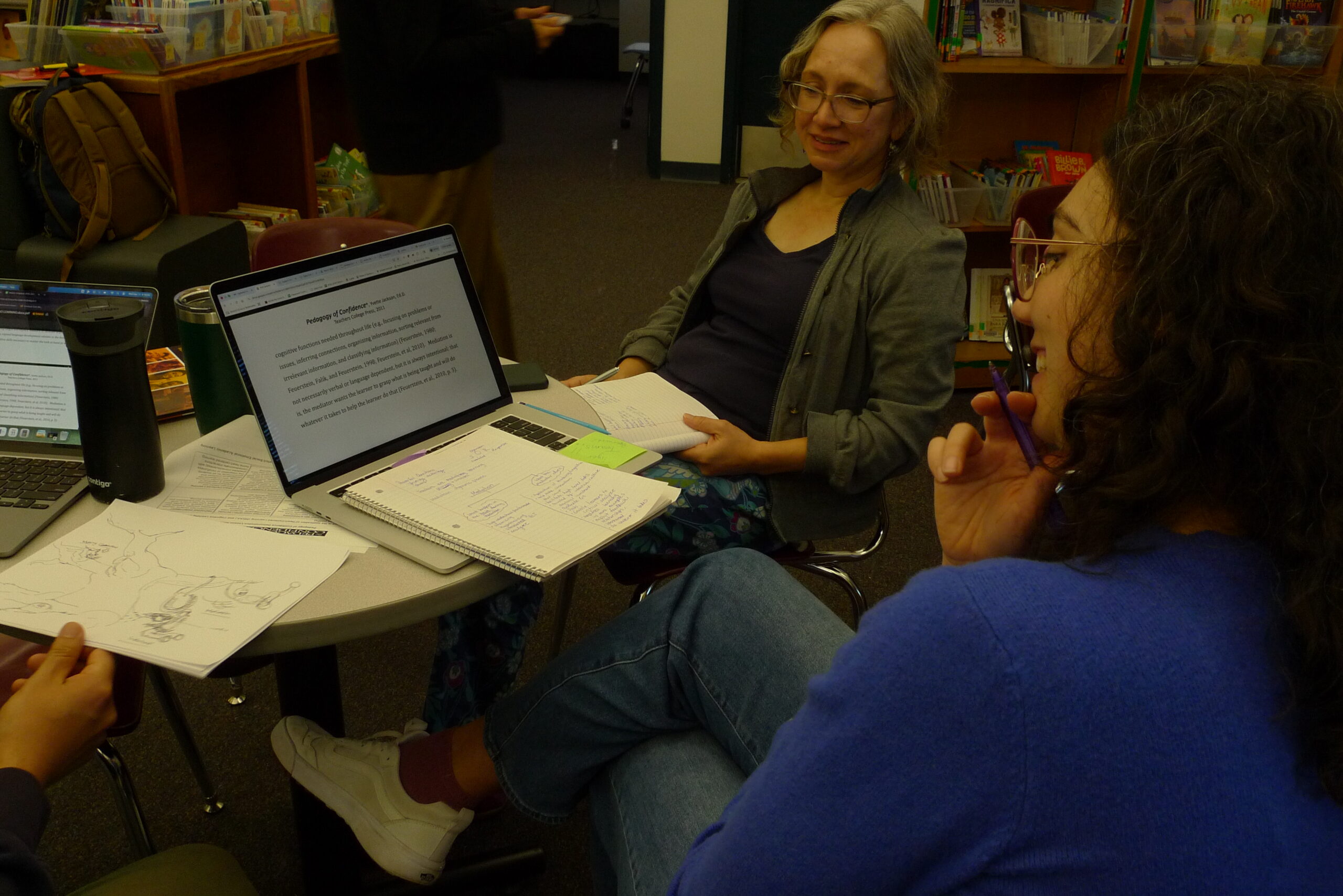 High Operational Practices
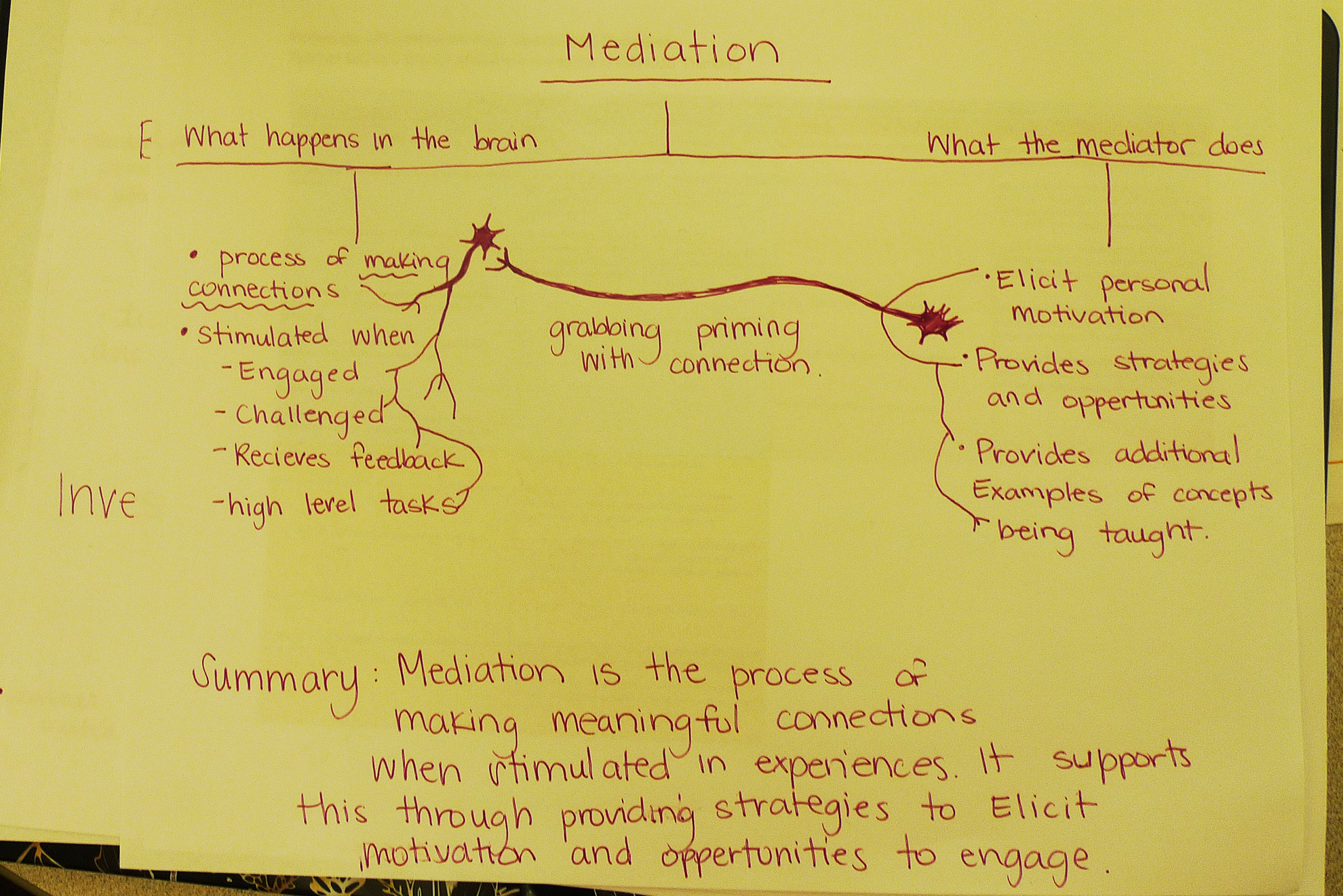 Andragogy: Educator’s Collaborative Thinking 1
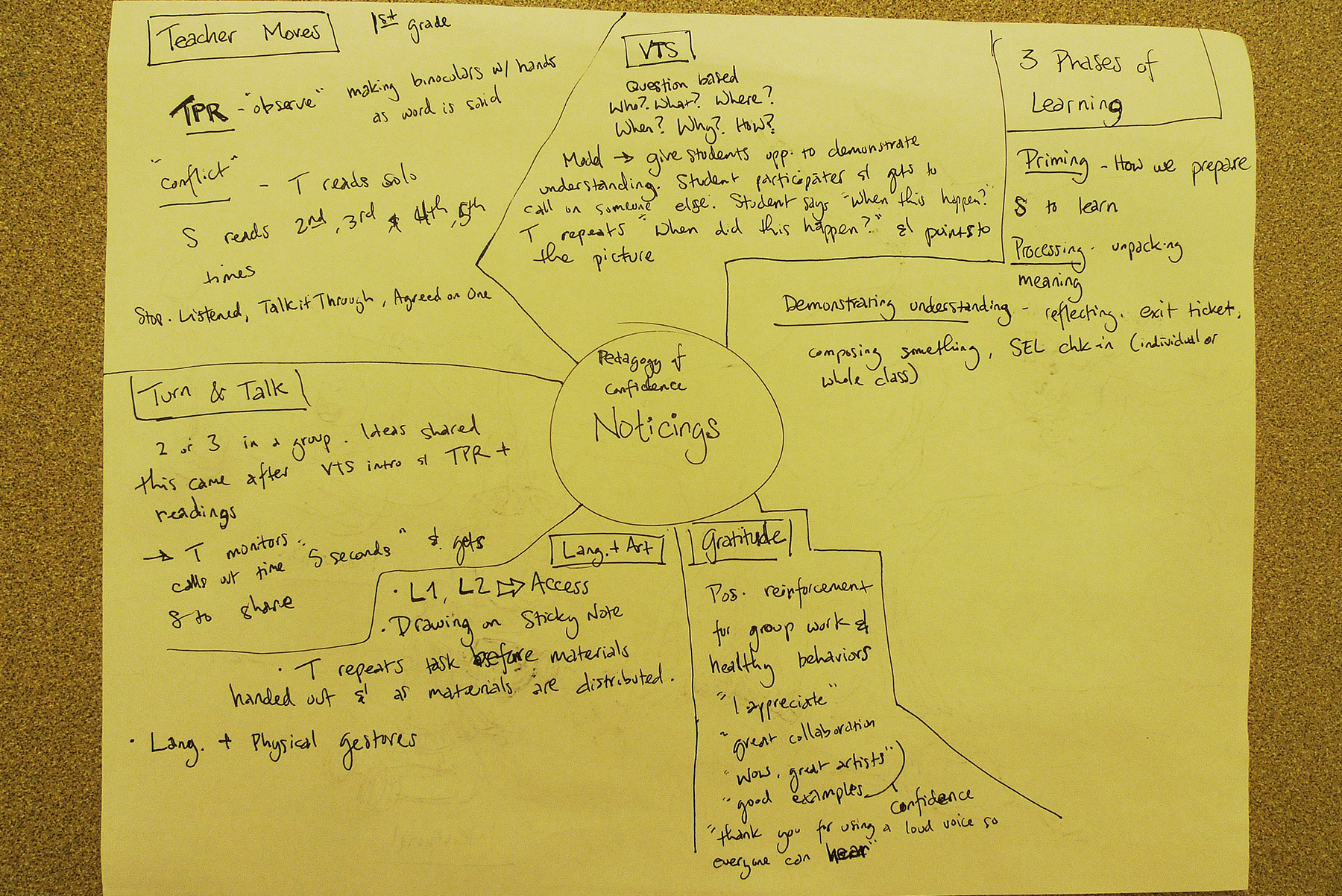 Educator’s Collaborative Thinking 2
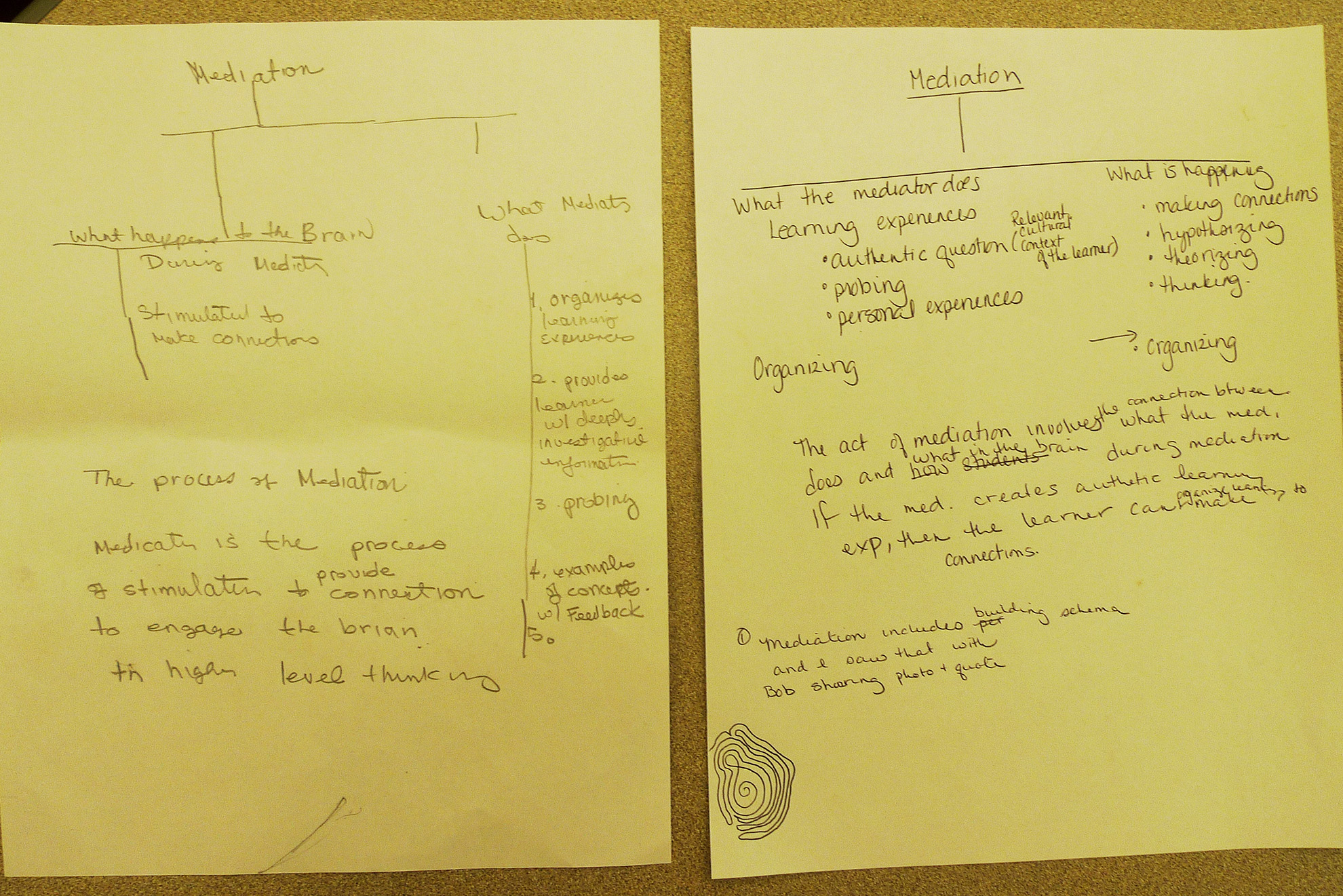 Educator’s Collaborative Thinking 3
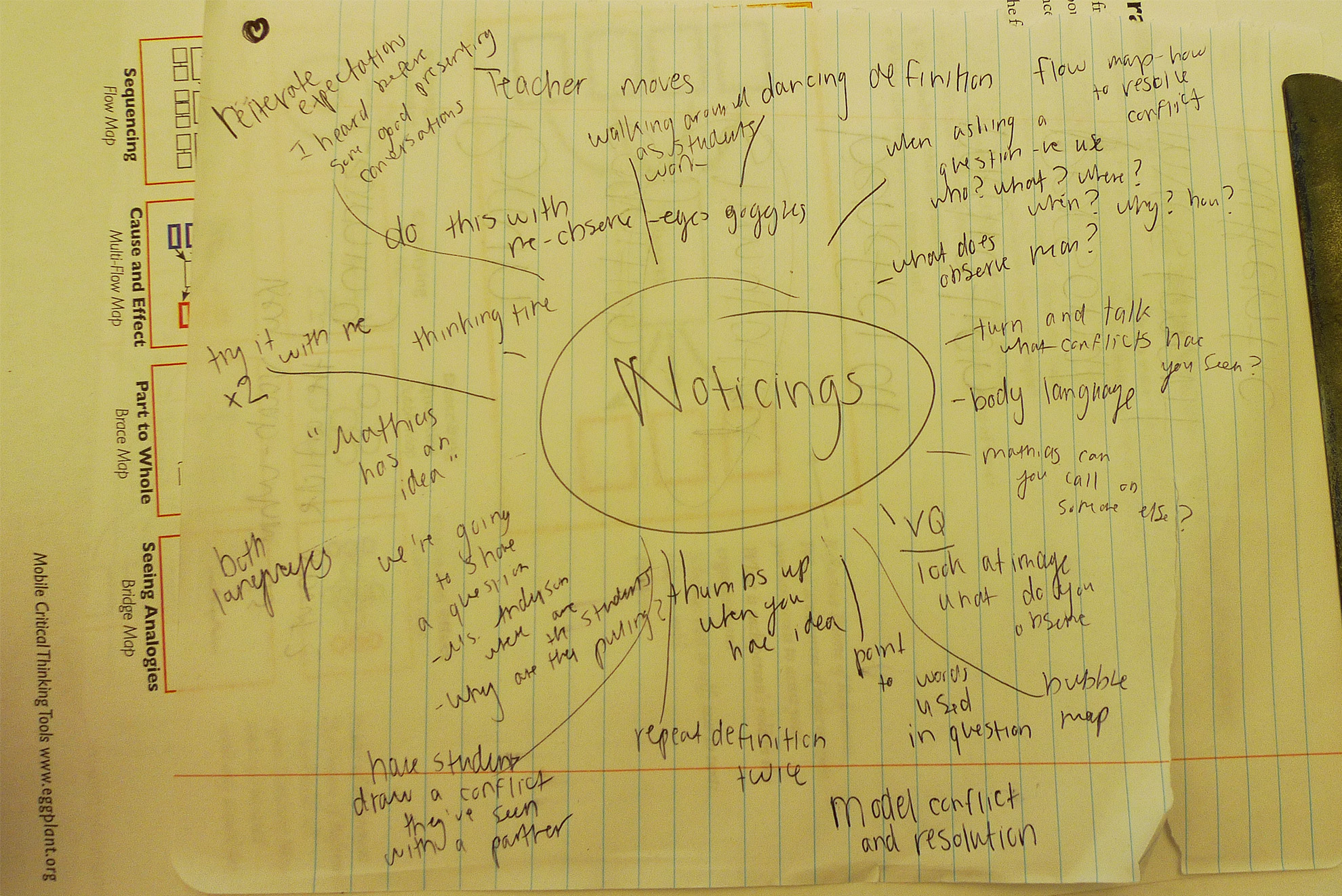 Educator’s Collaborative Thinking 4
Pedagogy of Confidence and Mindfulness Practices
School Partnership Activities
January 2026 Site Visit with McDowell School in Sonoma County, California
Summary of January Coaching Session
McDowell School, the GENIUS Hub Site for Sonoma County, participated in a full day of coaching focused on a systemic change model to mitigate the observed disparities for students of color through the Pedagogy of Confidence® (POC).
The teachers observed three lessons integrating the 7 High Operational Practices® (HOPs) to mediate for student learning through intentional teacher Measurable Observable Value- Enhancing Shifts (M.O.V.E.S.) focused on student learning.
Each lesson cycle began with participants gathered to hear about the thinking and intentional M.O.V.E.S. to plan for student learning. The group then observed a lesson taught by a POC Coach demonstrating the 7 HOPs. Following the lesson demonstration, the participants returned to complete a reflection of the lesson. The group shared the evidence of student engagement and the intentional MOVES the Coach demonstrated to elicit the GENIUS in students. Each participant left with a commitment to implementing one MOVE in their own teaching reflecting the Pedagogy of Confidence®.
The multiple demonstration lessons followed the sequence of Briefing -> Lesson -> Debriefing for three different grade levels that was facilitated by Dr. Stefanie Baker. The briefings included an overview of the Three Phases of Learning (Priming -> Processing -> Demonstrating for Understanding)
The McDowell leadership team concurrently met with Dr. Yvette Jackson and Dr. Michele Rivers Murphy virtually during the site visit.
The GENIUS support includes Dr. Linda Montes (coordinator), Dr. Yvette Jackson, Dr. Michele Rivers Murphy, Dr. Stefanie Baker, Dr. Regina Seabrook and Robert Seth Price.
Dr. Linda Montes and Dr. Stefanie Baker
The GENIUS Initiative with the Pedagogy of Confidence
High Operational Practices (HOPs)
January 2026
Educators from McDowell, District Schools
Sonoma State Professors, Sonoma State Student Teachers
The GENIUS Initiative Classroom Demonstrations
including High Operational Practices.
January 2026
Educators Reflecting on the Collaboration
The GENIUS Initiative Classroom Demonstrations
including High Operational Practices.
January 2026
The Pedagogy of Confidence and High Operational Practices
Dr. Stefanie Baker
The GENIUS Initiative Classroom Demonstrations
including High Operational Practices.
January 2026
Dr. Linda Montes
The GENIUS Initiative Classroom Demonstrations
including High Operational Practices.
January 2026
Dr. Yvette Jackson
The Pedagogy of Confidence is based on the cognitive and neuroscience research of psychologist Reuven Feuerstein
Demonstration Lesson Format
Priming -> Processing -> Demonstrating for Understanding
(Briefing -> Lesson -> Debriefing)
Third Grade Math Lesson
Dr. Stefanie Baker and Educators Professional Learning Team
The GENIUS Initiative Classroom Demonstrations
including High Operational Practices.
January 2026
Dr. Stefanie Baker and Observing Educators
The GENIUS Initiative Classroom Demonstrations
including High Operational Practices.
January 2026
Dr. Stefanie Baker and Observing Educators
The Pedagogy of Confidence is based on the cognitive and neuroscience research of psychologist Reuven Feuerstein
Full Demonstration Lessons
Demo Lesson
The GENIUS Initiative Classroom Demonstrations
including High Operational Practices.
January 2026, 29 minutes
Demo Lesson
The GENIUS Initiative Classroom Demonstrations
including High Operational Practices.
January 2026, 13 minutes
Demo Lesson
The GENIUS Initiative Classroom Demonstrations
including High Operational Practices.
January 2026, 25 minutes
Pedagogy of Confidence and Mindfulness Practices
School Partnership Activities
December 2025 Site Visit with McDowell School in Sonoma County, California
The site visit included a staff professional development in the morning, demonstration lessons in five K-7 classrooms, debriefings after each demonstration lesson and a debriefing after the school day with the whole staff followed by a debriefing with the leadership team. The GENIUS support includes Dr. Linda Montes (coordinator), Dr. Yvette Jackson, Dr. Michele Rivers Murphy, Dr. Regina Seabrook, Dr. Stefanie Baker and Robert Seth Price.
Video Clips from the December 2025 Site Visit
December 2025, 9 minutes
including High Operational Practices and Mindfulness Practices
December 2025, 12 minutes
December 2025, 3 minutes
Kindergarten Inductive Reasoning and Sequencing – December 2025
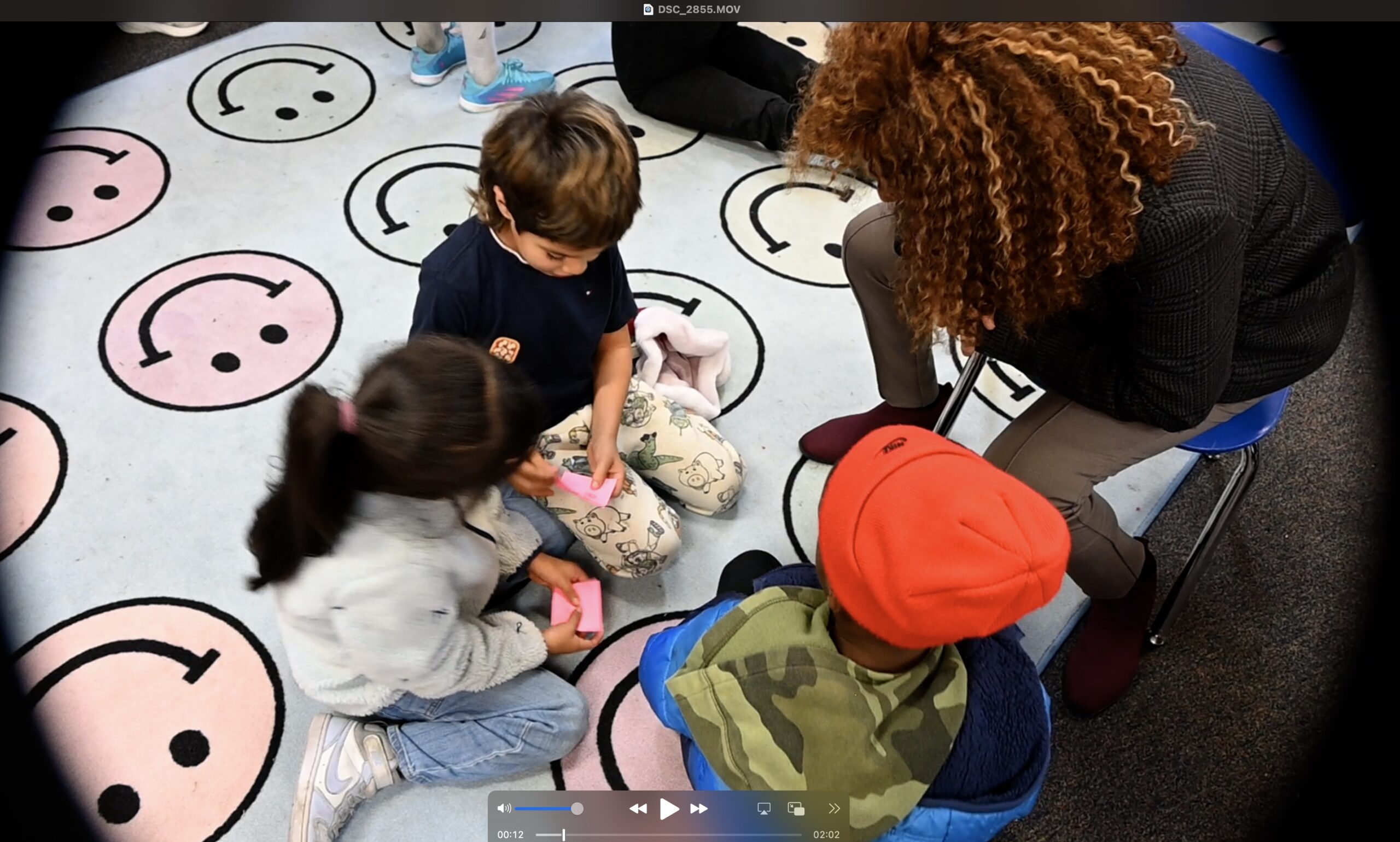
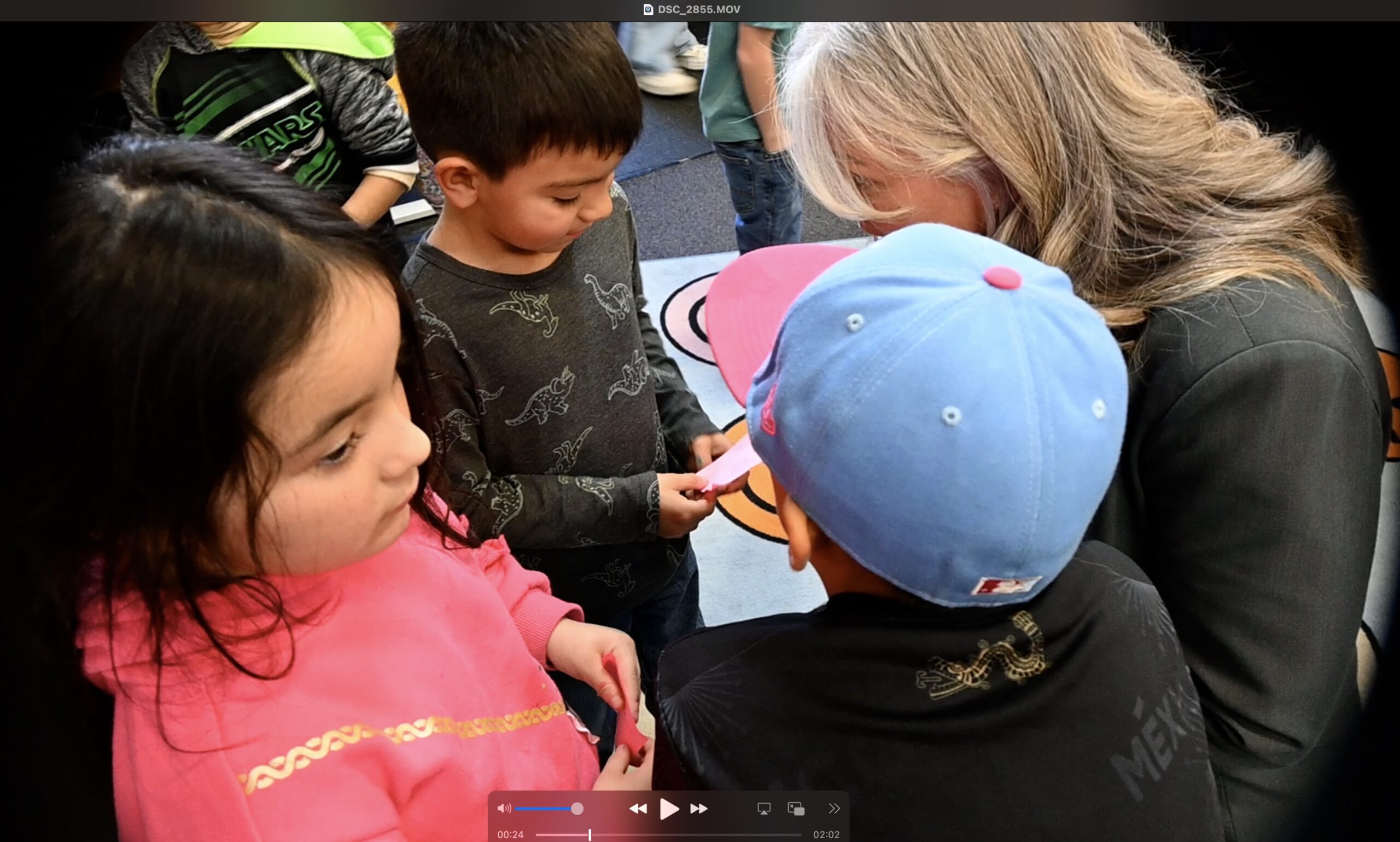
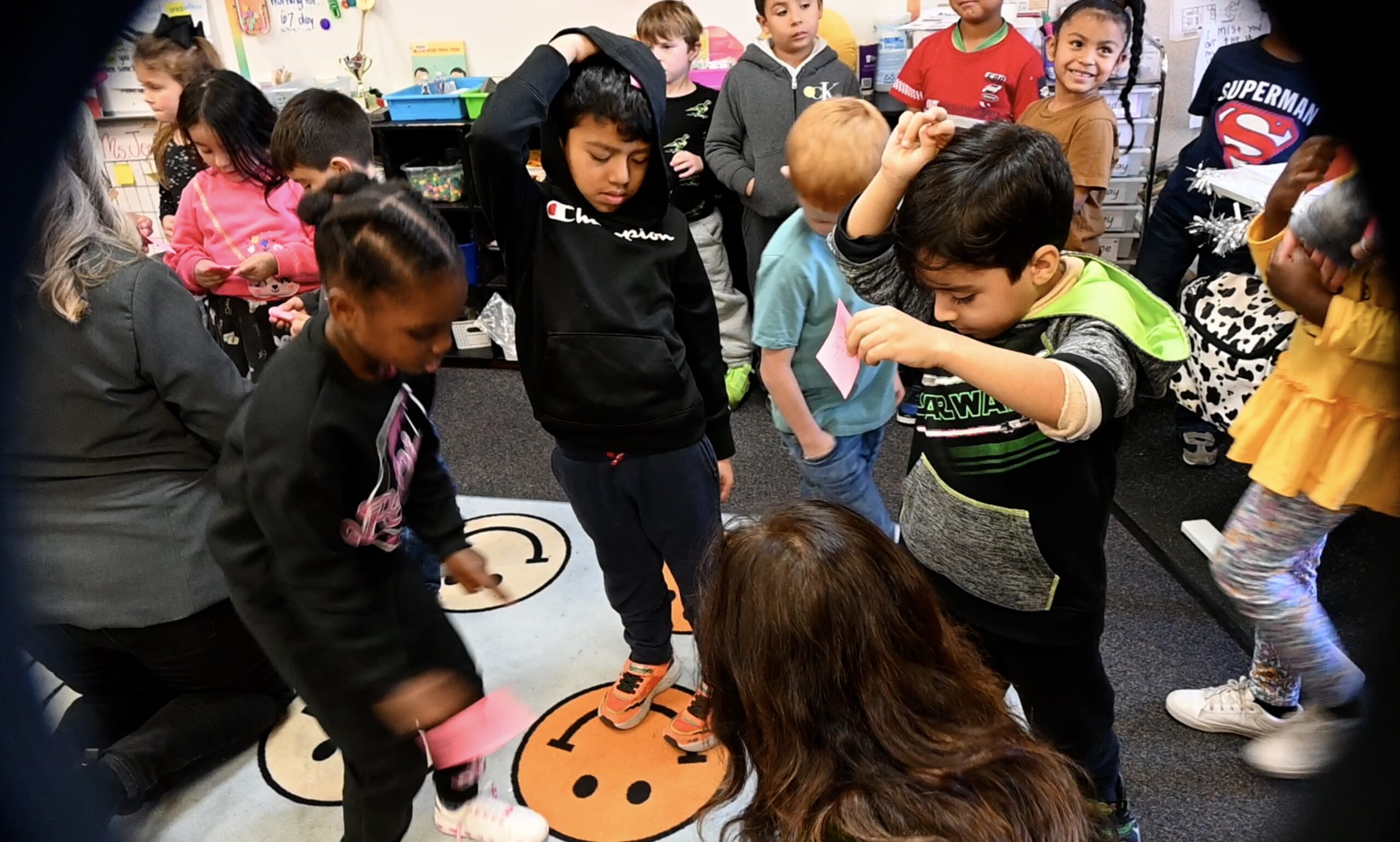
Inductive sequencing a story (or process in math) to support critical thinking, collaboration, and mindful interactions with a Kindergarten class.
Research and Guiding Principles
 The seven High Operational Practices are codified within the Pedagogy of Confidence:
- Building relationships
- Situating learning in the lives of students
- Amplifying student voice
- Eliciting high intellectual performance
- Identifying and Activating Student Strengths• Providing enrichment
- Integrating prerequisites for academic learning
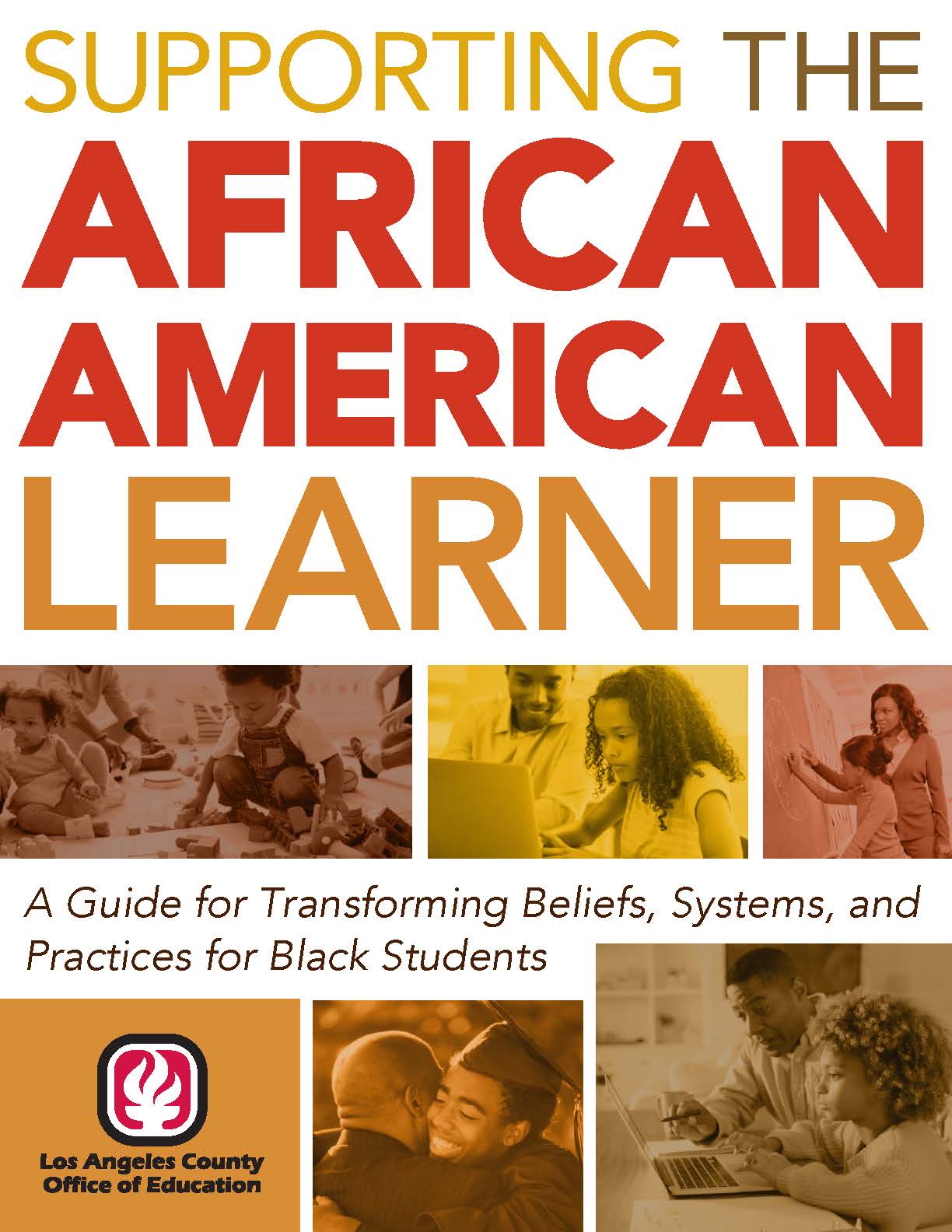
Supporting African American Learner is an invaluable guide for improved and enhanced dialogue, learning opportunities, and outcomes through strategies and best practices that promote high-quality teaching and learning.
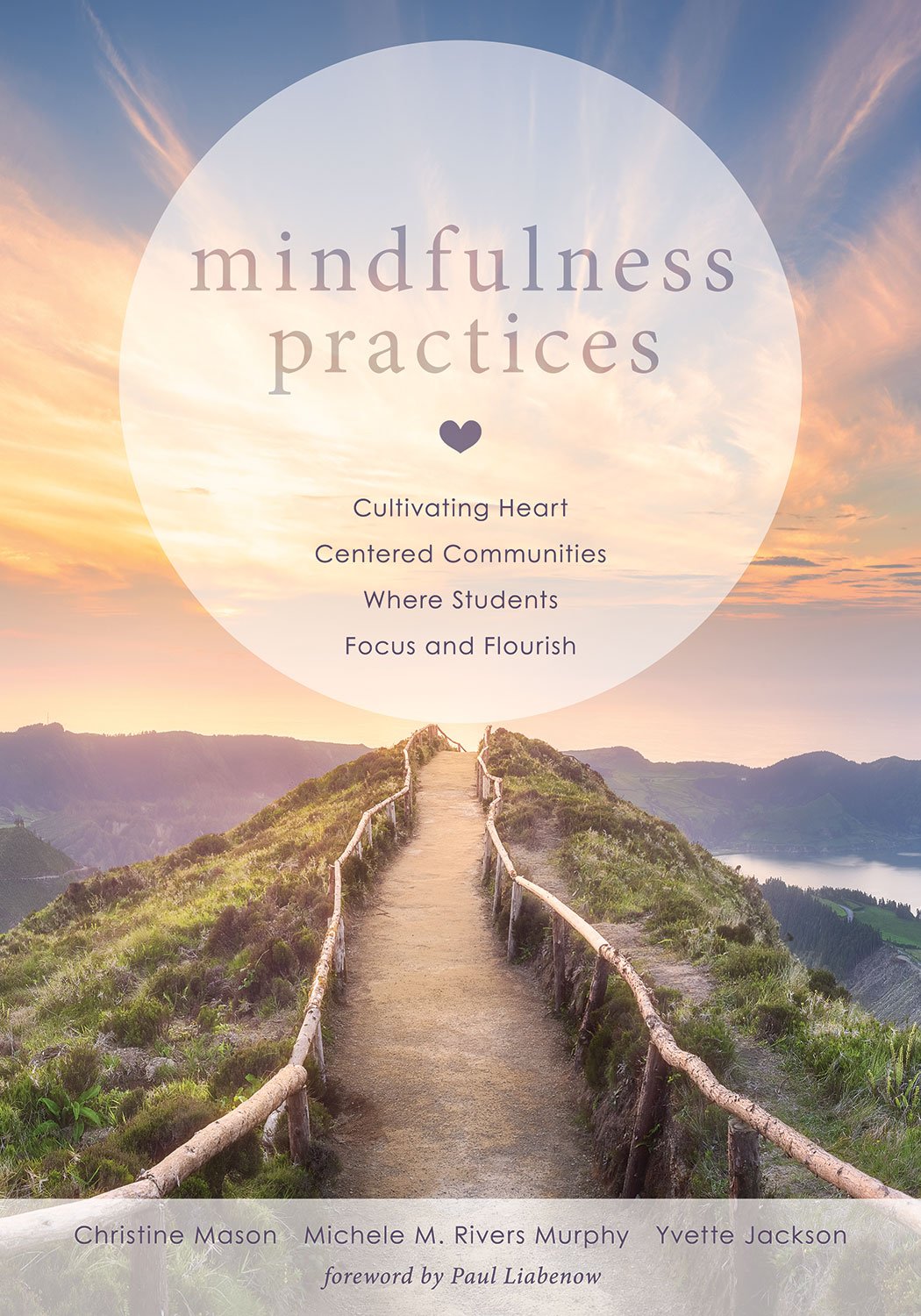
Mindfulness Practices: Cultivating Heart Centered Communities Where Students Focus and Flourish) is co-authored by Christine Mason, Michele M. Rivers Murphy, and Yvette Jackson. The book is designed for educators and school leaders, offering practical strategies to create compassionate, mindful, and trauma-informed learning environments. It is grounded in the latest neuroscience research and emphasizes both academic achievement and well-being.
Critical Thinking Methods and Models
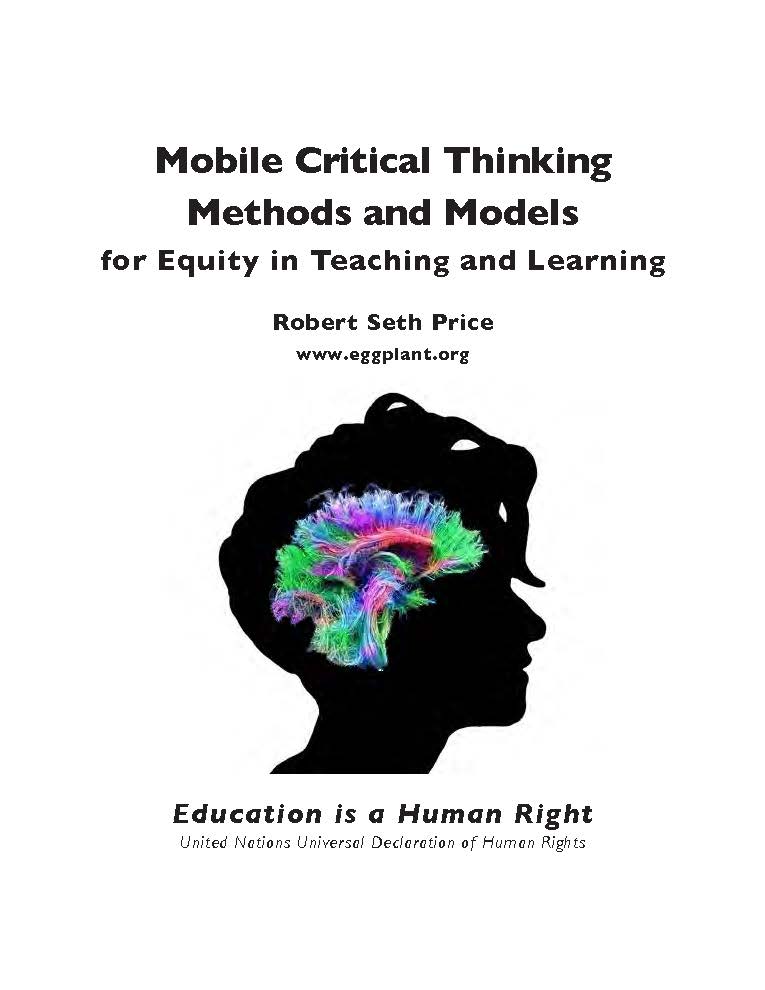 The four pillars of critical thinking are models of practical methods that are the core of developing critical thinking skills.
Download Critical Thinking Methods and Models Guide
Collaborative Communities are three supporting methods of collaborative tools for individual and collaborative success. These include: community building exercises and models, collaborative learning methods and peer-to-peer coaching.
Questioning Methods are used to engage students in curiosity, exploration, discovery and discussions. This includes effective methods for developing questioning skills leading to inquiry based shared inquiry.
Cognitive Visual Mapping is for organizing and understanding thinking individually and collaboratively. The maps support recognizing patterns of thinking along with the frame of reference to understand different perspectives.
Thinking Environments is an awareness, understanding and a process focused on the design, interface and impact of the environment including a person’s use of space, materials, and objects.
Video and website links to structures and critical thinking methods modeled during the site visit.
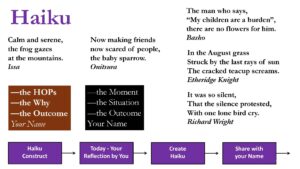 Haiku for student and educator reflections. Download PDF file.